3 hr
Manuel Antonio National Park Guided Wildlife Tour
Discover Costa Rica's incredible biodiversity on a naturalist-led walk through lush trails and pristine beaches.
Reserve
Silent channels where caimans bask, herons hunt at the tide line
Hand-picked by our editors — only the best 4 experiences from 19 reviewed.
Verified partners for Quepos Mangrove Kayak tours, free cancellation where available, and instant confirmation on every booking.
3 hr
Discover Costa Rica's incredible biodiversity on a naturalist-led walk through lush trails and pristine beaches.
Reserve
2 hr
Expert-led wildlife trek through rainforest trails with premium spotting scope and beach access
Reserve
3 hr
Explore Costa Rica's most beloved national park with a naturalist guide and professional wildlife spotting equipment
ReservePrices from verified partners. Availability updates in real time at checkout. Free cancellation policies apply where shown.
Every Quepos Mangrove Kayak tour side-by-side — duration, what's included, how you redeem.
| Experience | Duration | Rating | Skip-the-line | Guide | Small group | Free cancel. | Price | |
|---|---|---|---|---|---|---|---|---|
|
Standard Entry Most popular
Manuel Antonio National Park Guided Wildlife Tour
|
3 hr | ★ 4.8 | — | ✓ | — | ✓ | $35 | Book → |
|
Guided Experience
Manuel Antonio Park Naturalist Walking Tour
|
2 hr | ★ 4.9 | ✓ | ✓ | ✓ | ✓ | $25 | Book → |
|
Standard Entry
Manuel Antonio National Park Guided Nature Walk
|
3 hr | ★ 4.3 | — | ✓ | — | ✓ | $31 | Book → |
All prices from verified partners. Availability and exact terms confirmed at checkout.
The quepos mangrove kayak tour offers an intimate, silent connection with the ecosystem, while motorized boat tours provide an effortless way to cover more territory. They complement each other; most visitors who do both call the paddling experience the more immersive for wildlife observation.
| Feature | Top pick Mangrove Kayak Tour | Motorized Boat Tour |
|---|---|---|
Physical exertion level |
Moderate (requires paddling) | Minimal (sitting/passive) |
Ability to approach wildlife |
High (stealthy approach) | Lower (engine noise may disturb) |
Noise profile |
Silent/Natural | Moderate (motor hum) |
Group size |
Small (usually 2-8) | Large (often 10-20) |
Accessibility for children |
Ages 6+ (varies) | All ages |
| See tickets → |
Verdict: Choose the quepos mangrove kayak tour tickets if you prefer active nature engagement, or select the motorized option for comfort and group accessibility.
Choose your ticket, select your date, and reserve in under two minutes. Secure checkout handled by our verified partner.
Instant confirmation by email, with a mobile voucher you can save offline. No printing, no queuing at a collection desk.
Arrive at the entrance, show your voucher on your phone, and walk in. Most tickets include priority or skip-the-line access.
Practical details for Quepos Mangrove Kayak tickets straight from our verified partners — hours, access, rules, and how to get there.
Manuel Antonio National Park, Quepos
Follow signs for guided water tours
Open in Google MapsTake the local Quepos-Manuel Antonio line. Buses run every 30 minutes until 19:00.
Follow Route 618 toward the park entrance. Parking is available in private lots outside the main gate.
Wear quick-dry clothing and secure water shoes suitable for a quepos mangrove kayak tour. A hat and sunglasses are recommended for sun protection while paddling.
Use a dry bag for all electronics and personal items during your quepos mangrove kayak tour. Avoid bringing unnecessary valuables into the protected estuary.
Waterproof camera housings or floating straps are advised for this quepos mangrove kayak tour. Respect wildlife by maintaining distance when capturing images.
Kayaking requires moderate physical exertion and core stability. This quepos mangrove kayak tour may not be suitable for those with limited upper body mobility.
Keep mobile phones in a sealed dry pouch during the quepos mangrove kayak tour. Signal can be intermittent within the dense mangrove canopy.
Children must be accompanied by adults at all times during the quepos mangrove kayak tour. Life jackets are mandatory and provided for all participants.
Carry reusable water bottles as plastic usage is restricted inside Manuel Antonio National Park. Food is not permitted in the mangrove transit areas.
Pets are strictly prohibited inside the national park. Only certified service animals are permitted with prior documentation.
Listen to your guide regarding tide schedules as they affect the quepos mangrove kayak tour route. Tides significantly influence the accessibility of certain estuary channels.
Manuel Antonio National Park, Quepos
Follow signs for guided water tours
Get directionsBest time to go, insider tips, nearby landmarks, and the cancellation fine print — flip through to skim what matters to you.
How crowds, weather, and events shift across the year.
The estuary is calm during the autumn months. Afternoon rain showers are common, so morning paddles are preferred.
Water levels remain high following the rainy season. This is an optimal time for observing migratory bird species.
Small details that turn a good visit into a great one.
Plan your quepos mangrove kayak tour around high tide for deeper water access. Low tide may restrict boat passage through narrower channels.
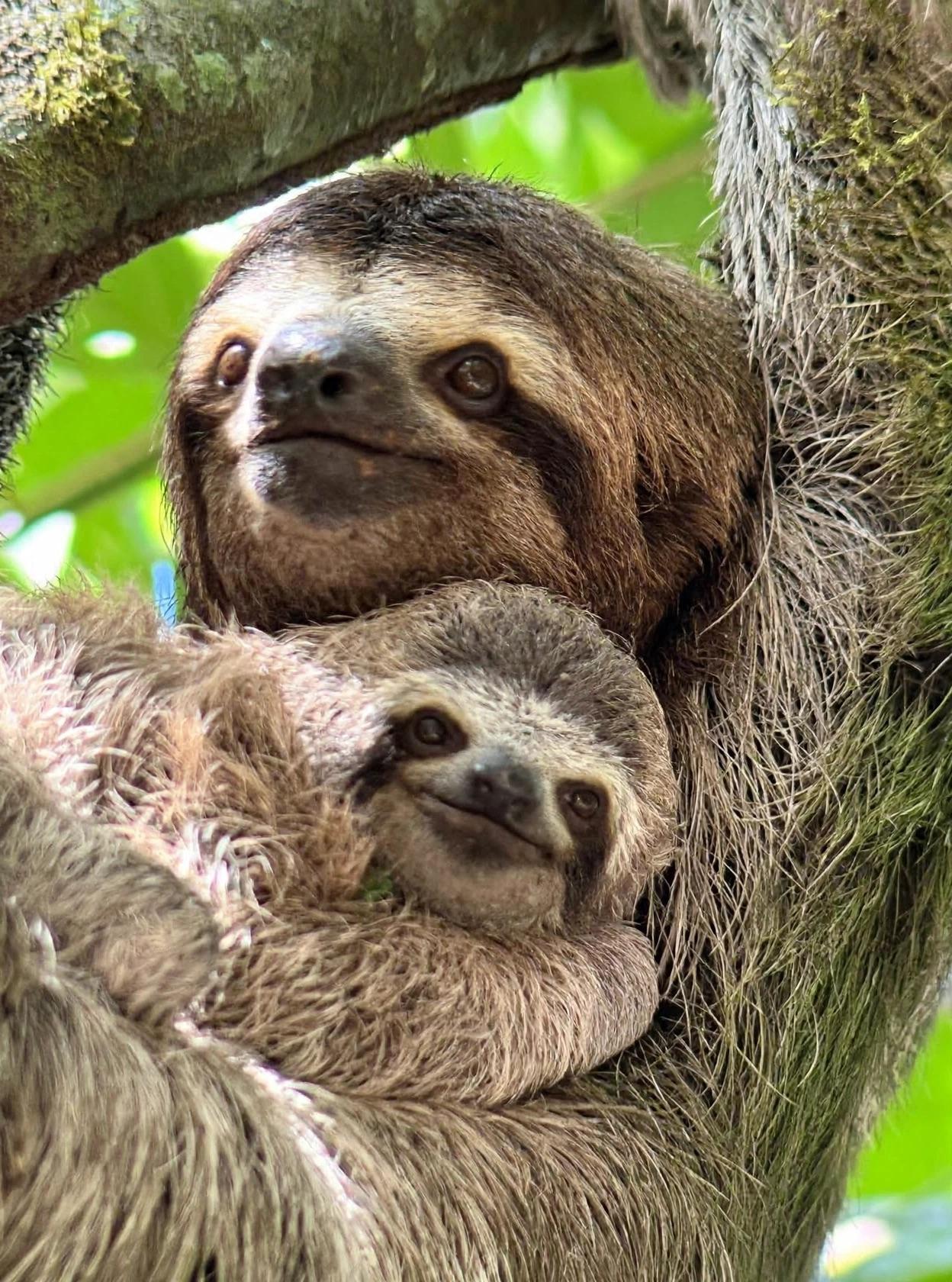
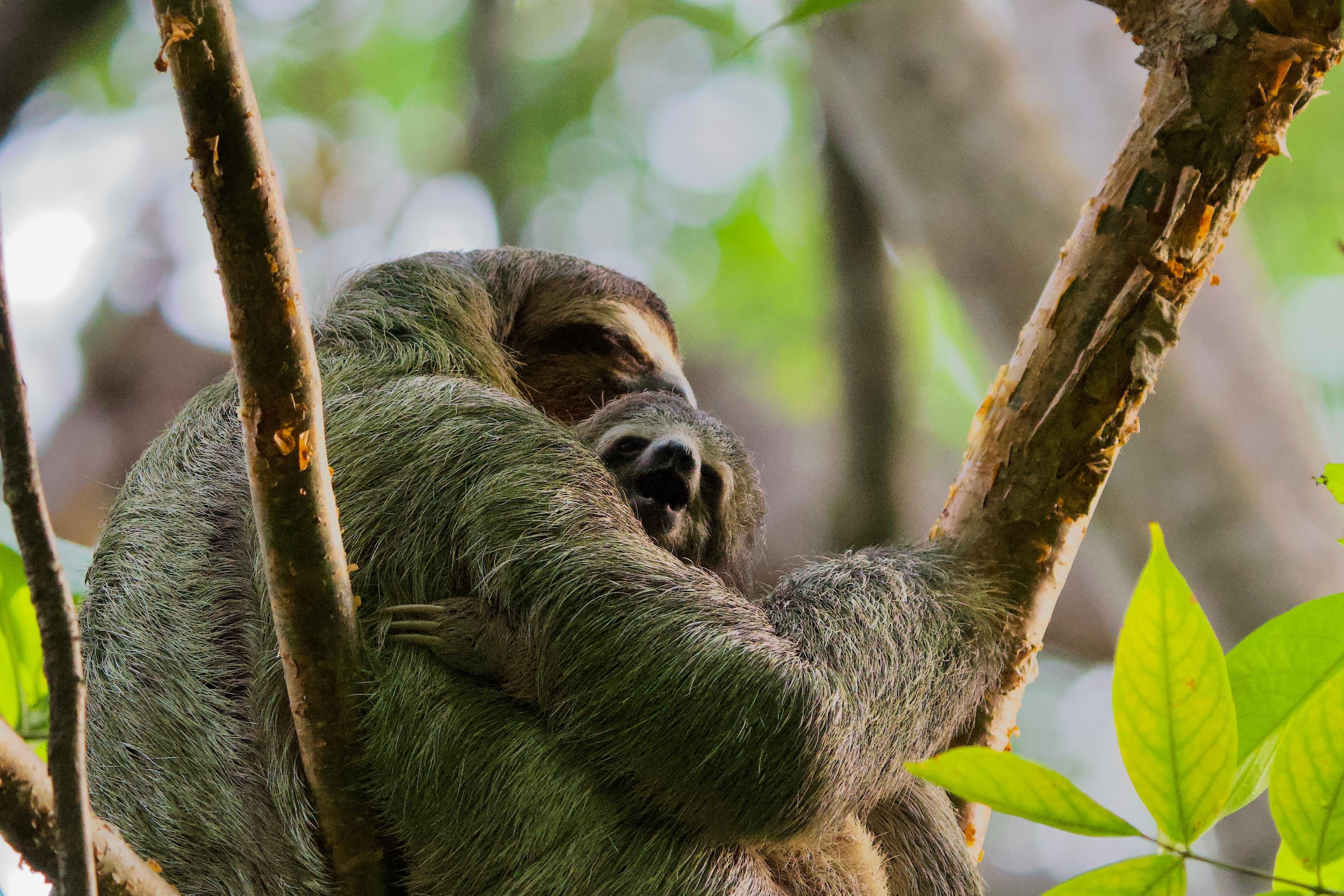
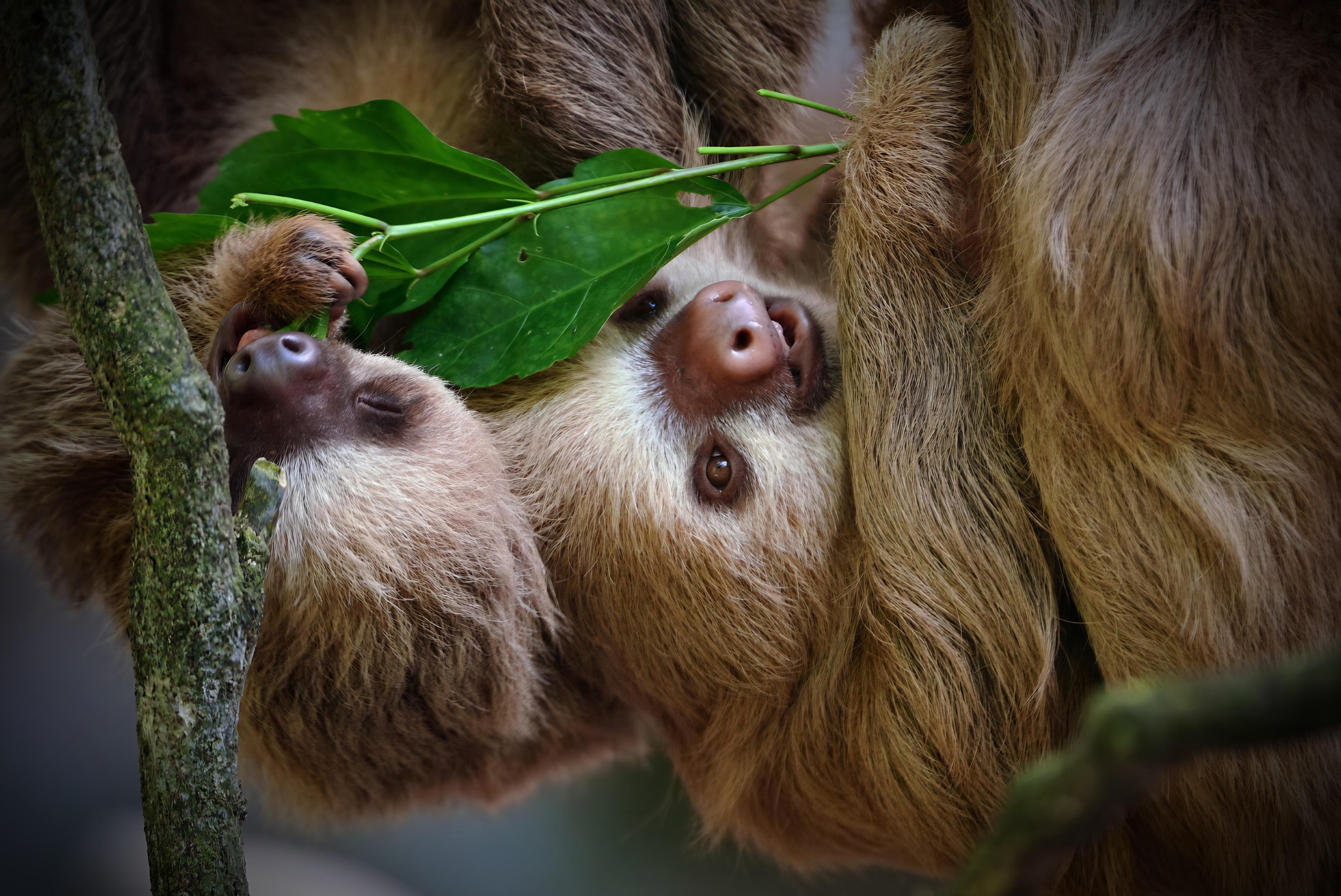
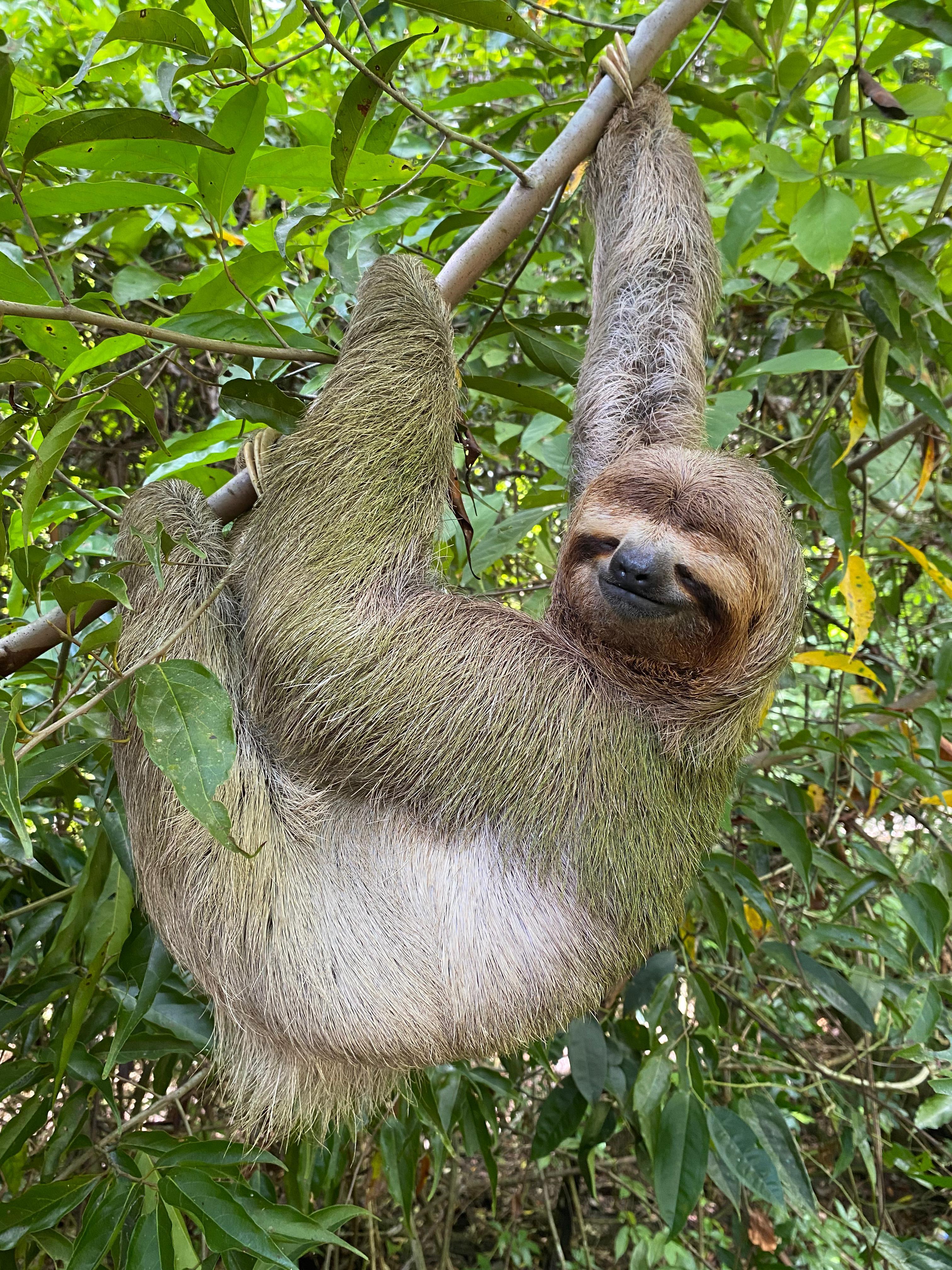
Keep your binoculars ready for monkeys and sloths. The mangrove forest acts as a critical nursery for marine species.
Non-bookable sights within a short walk — free to visit, easy to pair.
A pristine beach located inside the national park boundaries. Ideal for relaxation after a kayak session.
Flexible, no hidden fees.
Cancellations must be processed via the official SINAC portal. Refunds are subject to the terms regarding the 18.08 USD conservation fee.
Hand-picked options within walking distance — pick a district for vibe, or a specific hotel for convenience.
Clifftop resort overlooking the Pacific Ocean.
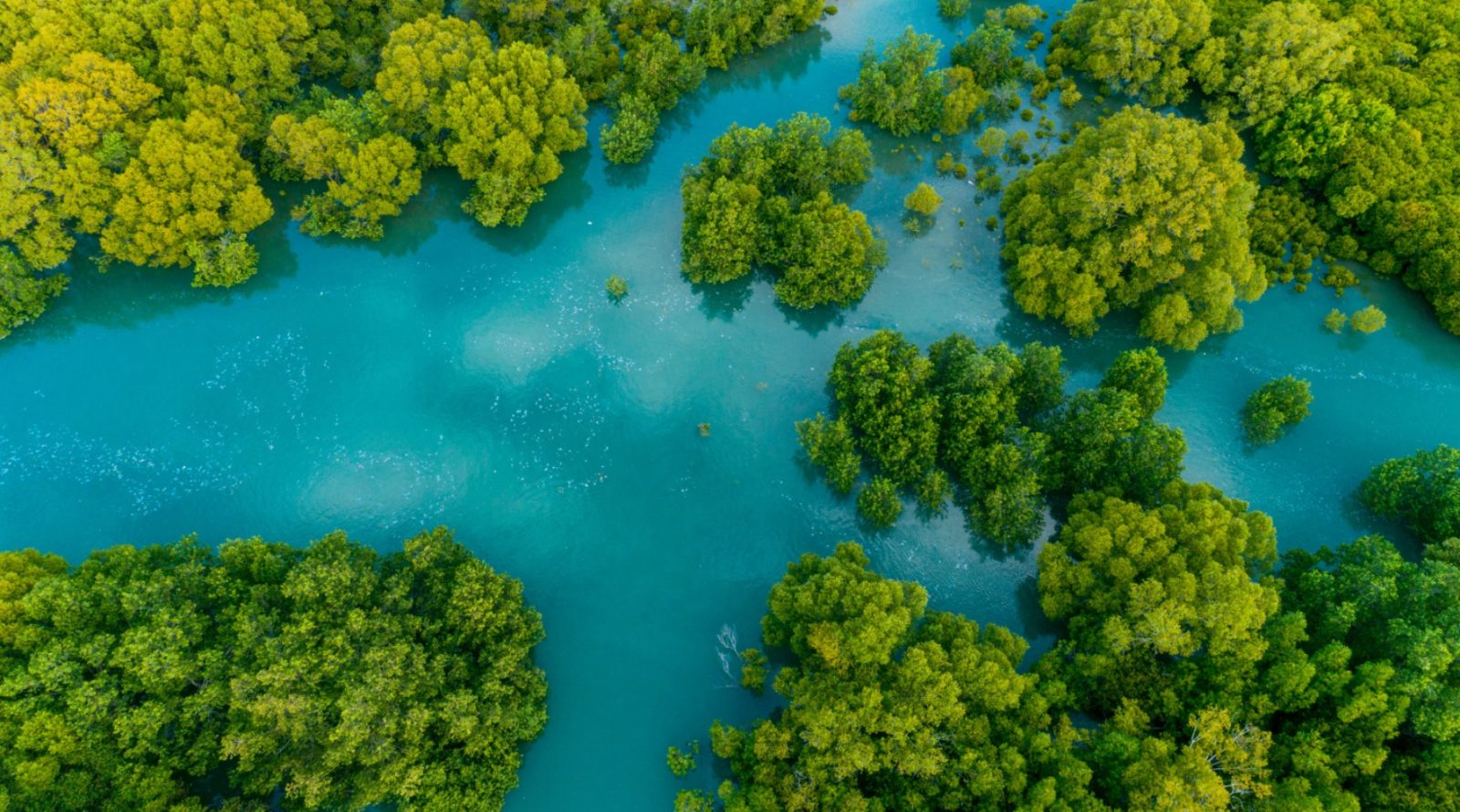
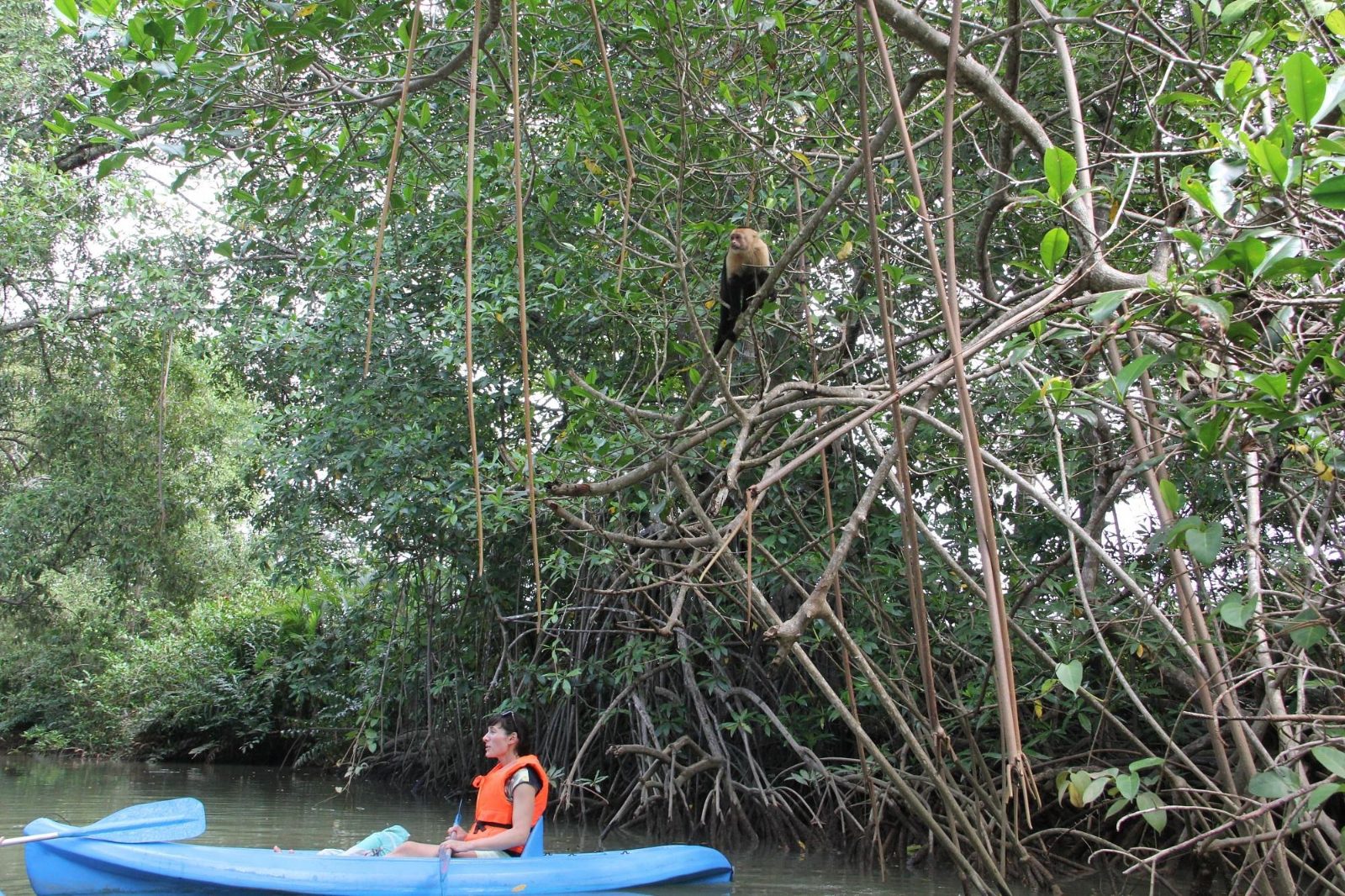
The mangrove forests fringing Quepos and the Damas Island estuary form one of Central America's most biologically dense tidal systems, sheltering over 140 bird species, spectacled caimans, white-faced capuchins, and three-toed sloths within a labyrinth of aerial prop roots and brackish channels.
Declared a protected wetland in 1983, the Damas estuary spans 520 hectares of red, black, and white mangrove species that filter sediment, stabilize coastlines, and serve as nurseries for snapper, tarpon, and juvenile sharks. The roots trap nutrient-rich detritus carried by the Damas and Paquita rivers, creating a food web visible at low tide when mudskippers and fiddler crabs emerge by the thousands.
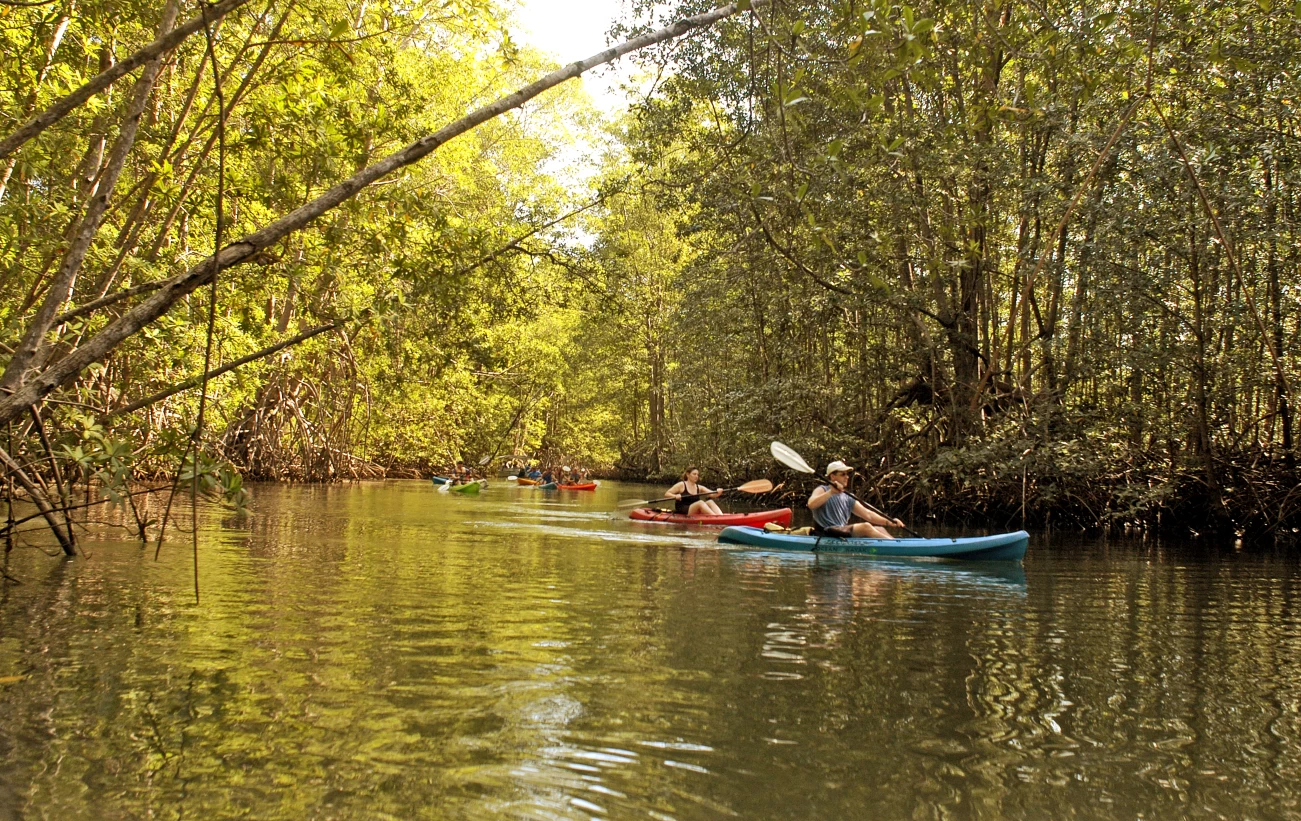
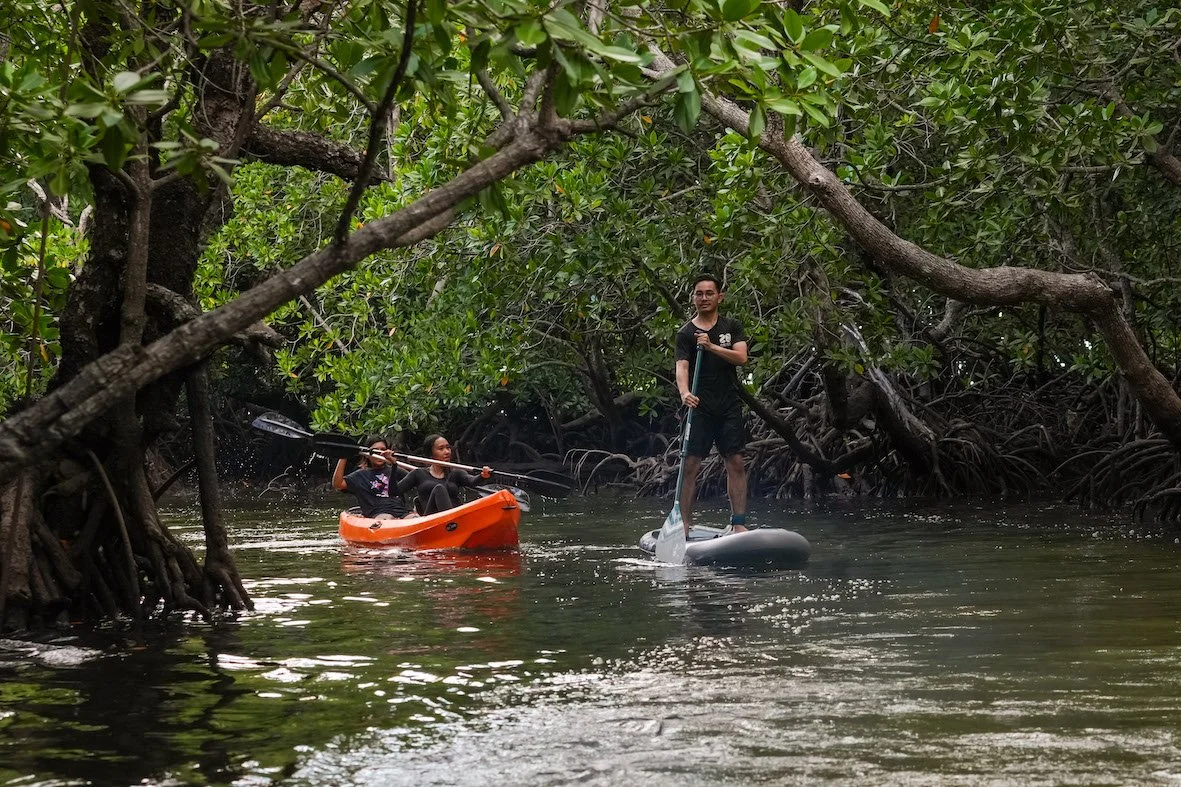
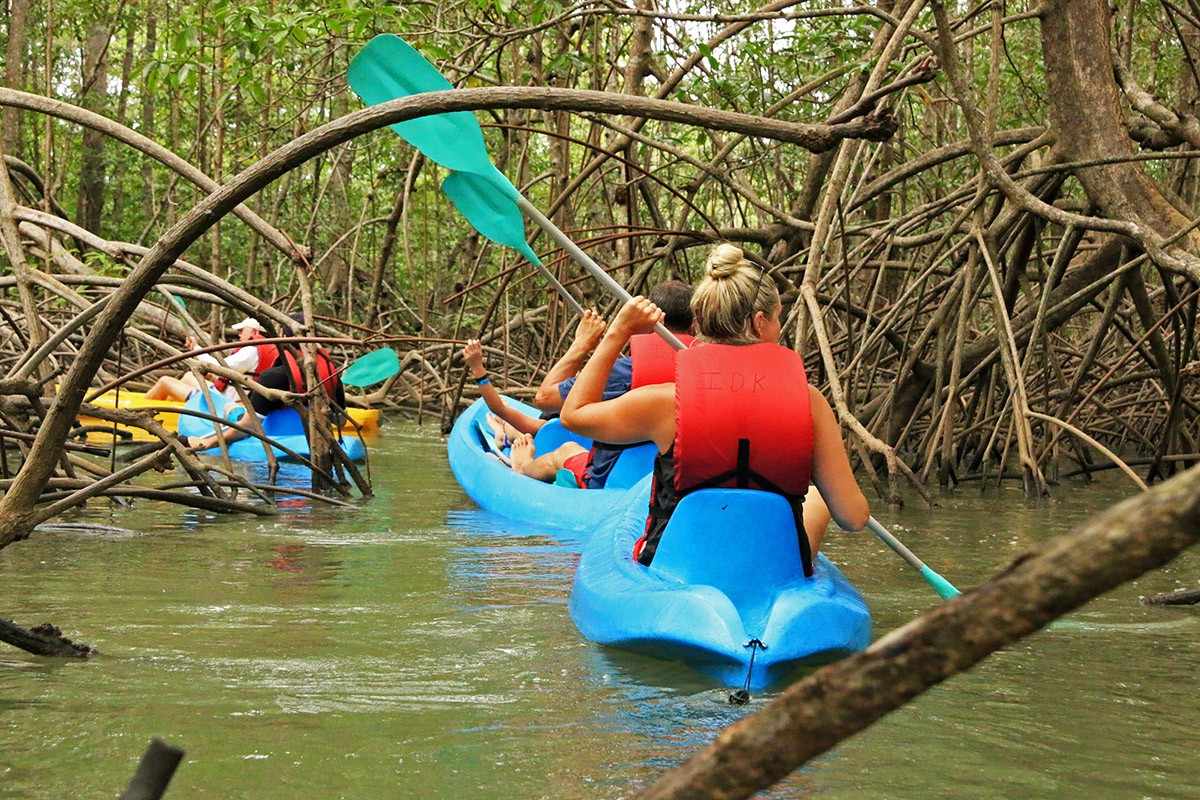
A quepos mangrove kayak tour traces narrow tidal creeks too shallow for motorboats, offering paddle access to roosting egrets, boat-billed herons, and the occasional tiger heron perched motionless above the waterline. Early-morning departures align with the calmest tidal periods, when glassy water reflects the canopy and wildlife activity peaks before midday heat drives animals into the shade. Guides navigate by memory, reading the tide to avoid dead-end channels and pointing out camouflaged caimans resting on submerged logs. The silence of paddle propulsion—no engine noise—allows close observation: basilisk lizards running across the surface, iguanas dropping from branches, howler monkeys feeding in cecropia trees at the forest edge.
This mangrove system exists because the Quepos River delta meets the Pacific with minimal human alteration, a rarity along Costa Rica's rapidly developing central coast. The conservation fee supports trail maintenance and biological monitoring within Manuel Antonio National Park, which adjoins the estuary's southern boundary. The kayak routes themselves remain outside park jurisdiction, managed under municipal wetland protections that permit low-impact ecotourism. Most operators launch from the Damas Island boat ramp, a 20-minute drive north of Quepos town, where stable sit-on-top kayaks and life vests are provided. The paddle typically covers four to six kilometers over two hours, threading beneath tangled root arches and pausing at wider lagoons where frigatebirds soar overhead and the air smells of salt and decaying leaves.

"The roots trap nutrient-rich detritus carried by the Damas and Paquita rivers, creating a food web visible at low tide when mudskippers and fiddler crabs emerge by the thousands."
A step-by-step walkthrough of Quepos Mangrove Kayak tickets — what you'll see, how long each stage takes, and the details that matter.
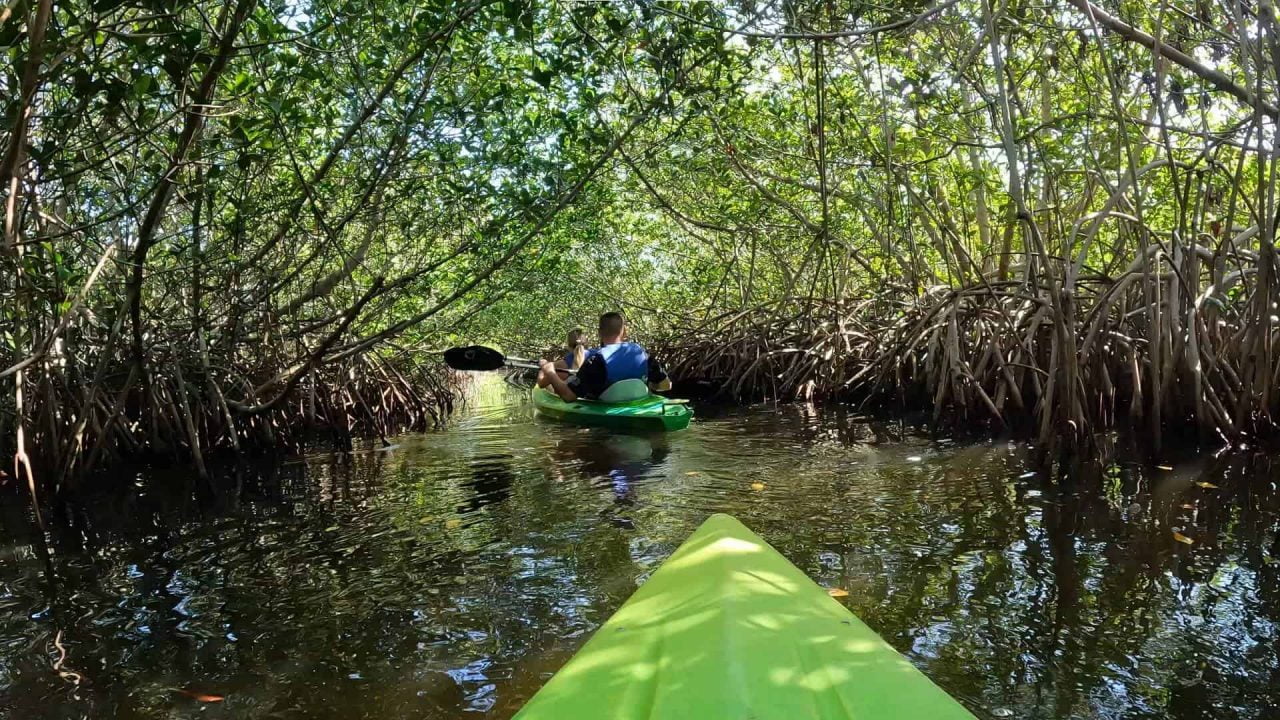
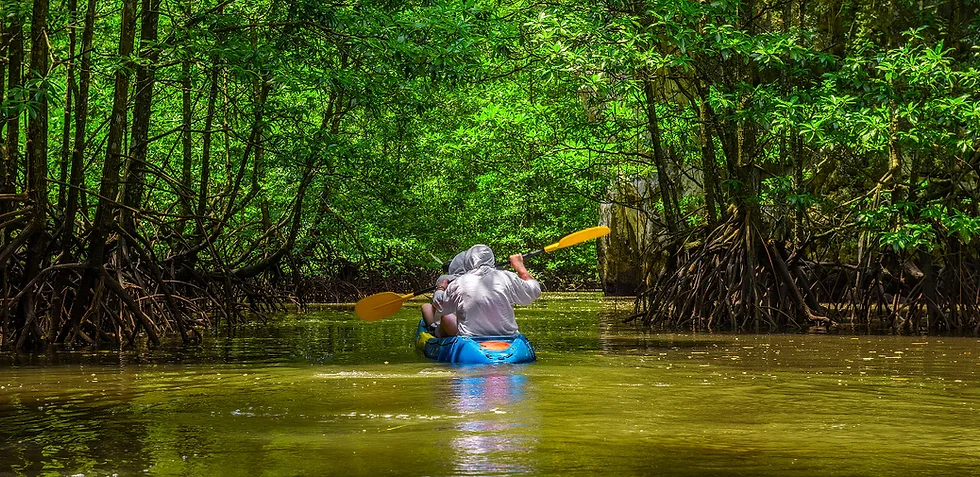
You launch from the Damas Island boat ramp at 7:00, your guide steadying the kayak while you settle into the molded seat. The first strokes carry you into a narrow channel barely three meters wide, red mangrove roots arching overhead to form a living tunnel.
Within minutes the guide raises a hand—a spectacled caiman lies motionless on a mudbank ahead, its ridged tail curled into the water. You drift closer, paddle balanced across your lap, close enough to see the vertical pupils contract in the morning light.
The channel widens into a lagoon fringed by white mangroves, their pale leaves bright against the darker canopy. A great blue heron stalks the shallows, neck coiled, then strikes—a small fish flashes silver in its beak. You paddle past a cluster of oysters clinging to submerged roots, then beneath a low bridge where swallows have built mud nests in the concrete. The guide points left: a three-toed sloth hangs from a cecropia branch ten meters up, nearly invisible until it shifts one claw. The return route follows the outgoing tide, the current nudging you gently back toward the boat ramp as frigatebirds circle overhead.
The park operates from 07:00–15:00, closed on Tuesdays. Ensure your quepos mangrove kayak tour aligns with these operating hours.
The mandatory conservation fee is 18.08 USD per foreign adult. This is payable via the official SINAC site.
While there is no fixed age limit, participants must fit safely into the life jackets provided for the quepos mangrove kayak tour.
You may bring a dry bag for personal items. Security checks may be performed at the park entrance to ensure no prohibited items enter the habitat.
Photography is encouraged during your quepos mangrove kayak tour. Please ensure your gear is protected from water damage.
Arriving between 07:00–08:00 is recommended to beat the heat and peak crowds. This ensures a smoother start for your quepos mangrove kayak tour.
The address is Manuel Antonio National Park, Quepos, Puntarenas, Costa Rica.
Food is not allowed in the kayak zones to protect the delicate ecosystem. Please dine outside the park boundaries before or after your quepos mangrove kayak tour.
Tours often continue during light rain as the mangroves provide natural shelter. Guides will cancel or reschedule if weather conditions pose a safety risk.